The Roscón de Reyes is not merely a cake; it’s a gateway to Spanish tradition, permeating households with the aroma of festivity and history. Every January 6th, families gather around this delectable crown-shaped confection to celebrate Epiphany, marking the end of the Christmas season with a tribute to the Three Wise Men.
Table of Contents
- How to make a traditional Roscón de Reyes?
- What ingredients do you need for Roscón de Reyes?
- What is the cultural significance of Roscón de Reyes?
- How to decorate your Roscón de Reyes?
- What are the best accompaniments for Roscón de Reyes?
- How to store and freeze Roscón de Reyes?
- What are some variations of Roscón de Reyes?
- Related questions about Roscón de Reyes
How to make a traditional Roscón de Reyes?
The process of making a Roscón de Reyes may seem daunting, but it’s a rewarding venture into traditional baking. Start with combining basic ingredients like flour, yeast, milk, and sugar. Authenticity comes into play with the addition of fragrant orange zest and a splash of rum, which give the cake its distinctive flavor. The dough should be kneaded until smooth, then fashioned into the signature ring shape, reminiscent of a royal crown. After a patient rise, your Roscón de Reyes is ready for the oven, emerging as a golden, sweet bread ready to be adorned.
Decoration is a personal touch, with candied fruits often used to mimic precious jewels. A final sprinkling of sugar adds a snow-like effect, making the cake not only delicious but also a feast for the eyes. Remember, the traditional Roscón de Reyes hides a surprise inside – a small figurine or bean. Whoever finds it in their slice gets to be king or queen for the day, or according to tradition, owes the cake the following year.

As you embark on this baking adventure, keep in mind that patience is key. The dough will need ample time to rise and develop its flavors, ensuring your Roscón de Reyes is as authentic as it is tasty.
What ingredients do you need for Roscón de Reyes?
The simplicity of the ingredients used in Roscón de Reyes belies its exquisite taste. At the heart of the recipe, you’ll need strong bread flour to give it structure, alongside active dry yeast to make it rise. Warm milk helps activate the yeast, while sugar sweetens the bread. Eggs enrich the dough, providing a tender crumb, and unsalted butter adds a rich mouthfeel.

Flavorings are where the Roscón de Reyes really comes to life. Orange zest and sometimes lemon zest bring a bright citrus note, while a hint of rum or water mixed with orange blossom water provides depth. Don’t forget the decoration: candied fruits, pearl sugar, and sometimes almonds add both flavor and visual appeal. For those filling their roscones, whipped cream or pastry cream are popular choices.
- Strong bread flour
- Active dry yeast
- Warm milk
- Sugar
- Eggs
- Unsalted butter
- Orange zest
- Rum or orange blossom water
- Candied fruits for decoration
- Whipped or pastry cream for filling (optional)
What is the cultural significance of Roscón de Reyes?
The cultural significance of Roscón de Reyes runs deep into Spanish history, tracing back to the Roman Saturnalia festival where a cake would be shared. In its modern form, it’s linked to the Epiphany, a Christian feast day that commemorates the visit of the Magi to the Christ Child. The cake symbolizes a crown, with the candied fruits representing the jewels embedded within it.

Sharing a Roscón de Reyes is a communal experience, reinforcing family bonds and friendships. The inclusion of a small figurine and a bean adds an element of surprise and fortune, determining who will be blessed with luck for the year. This act of cutting the cake and discovering what’s inside turns a simple dessert into a participatory event, imbued with hope and joy.
Moreover, the Roscón de Reyes is a testament to the endurance of tradition. Its continued popularity is a celebration of cultural heritage, bringing together the old and the new in each delectable slice.

How to decorate your Roscón de Reyes?
Decorating your Roscón de Reyes is as much a creative endeavor as it is a culinary one. Once your bread is baked to perfection, it’s time to adorn it like the regal crown it represents. Begin with a glossy egg wash before baking to achieve that royal sheen. As soon as it’s out of the oven, decorate it while it’s still warm.
Candied fruits are traditional, but feel free to use your imagination. Think of the cake as your canvas and the fruits as colorful jewels; scatter them atop the dough in a pattern that pleases the eye. Some bakers also like to add chopped almonds for extra crunch and a dusting of powdered sugar for a touch of elegance.
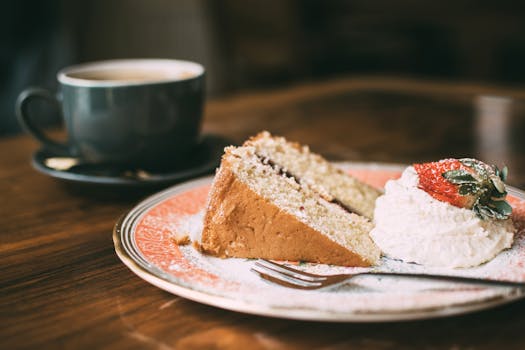
For those who prefer their Roscón de Reyes with a filling, once the cake is cool, slice it horizontally and spread a thick layer of your chosen cream. When you reassemble the cake, it will not only look sumptuous but also hide a delightful creamy surprise within each slice.
What are the best accompaniments for Roscón de Reyes?
While the Roscón de Reyes is a star on its own, pairing it with the right accompaniment can elevate your tasting experience. The most traditional companion to this festive cake is a steaming cup of hot chocolate, thick enough to support a spoon – perfect for dipping your Roscón de Reyes into.

For those who enjoy contrast, a glass of cold milk or a cup of coffee can complement the sweet and buttery flavors of the cake. If you’re enjoying Roscón de Reyes as part of a larger meal, consider serving it with a creamy custard or ice cream to balance its rich texture.
Let’s not forget the adults at the feast – a sweet dessert wine or a glass of bubbly cava can provide a celebratory toast to go along with your slice of this Spanish tradition.

How to store and freeze Roscón de Reyes?
Preserving the freshness of your Roscón de Reyes is crucial to enjoying it beyond the Epiphany celebrations. If you plan to consume the cake within a couple of days, wrapping it in plastic wrap and storing it at room temperature is sufficient. However, avoid placing it in the refrigerator, as this can dry out the bread.
If you have a larger cake or want to extend its shelf-life, freezing is a great option. Slice the Roscón de Reyes, wrap each piece individually in plastic, and then place them in an airtight container or freezer bag. When you’re ready to enjoy a slice, simply thaw it at room temperature or gently warm it in the oven for a freshly baked taste.
What are some variations of Roscón de Reyes?
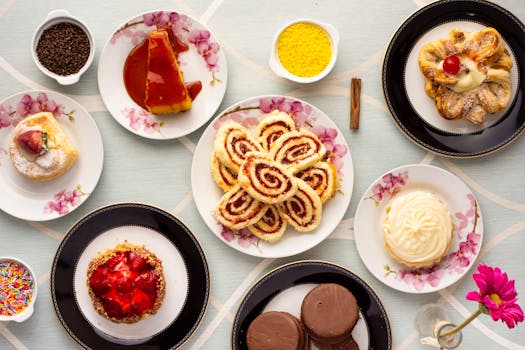
Variations of the Roscón de Reyes are as diverse as the regions of Spain and Latin America where it’s celebrated. Some variations include adding different fillings like chocolate, marzipan, or dulce de leche for a sweet twist. Others might incorporate whole eggs baked into the top of the dough or use a variety of nuts and dried fruits for decoration.
Gluten-free and vegan versions of the Roscón de Reyes are also becoming more common, ensuring that dietary restrictions don’t prevent anyone from enjoying this festive treat. With a few substitutions like gluten-free flour blends or plant-based milks and butters, everyone can partake in the tradition.
Related questions about Roscón de Reyes
What supermarket has the best Roscón de Reyes?
When purchasing a Roscón de Reyes, many opt for local bakeries known for their artisanal touch. However, if a homemade Roscón de Reyes isn’t an option, several supermarkets offer high-quality versions. Look for ones that use traditional methods and ingredients for the most authentic taste.
Each region may have its preferred supermarket based on local preferences and availability. Reading reviews and asking for recommendations can lead you to the best store-bought Roscón de Reyes in your area.

What is the meaning of Roscón de Reyes?
The Roscón de Reyes holds significant meaning in Spanish culture. It represents the crown of the Three Wise Men, with the candied fruits symbolizing the precious stones that adorned their headpieces. The hidden figurine and bean signify luck and fortune, making the cake not just a dessert but also a symbol of hope for the new year.
Its consumption on Epiphany reflects the sharing of gifts, much like the Magi shared their gifts with the baby Jesus. Thus, the Roscón de Reyes is more than a cake; it’s a celebration of history, tradition, and community.
What goes inside the Roscón de Reyes?
Traditionally, the Roscón de Reyes is filled with sweetened whipped cream or pastry cream. Some variations might include almond paste, chocolate cream, or even fruit fillings. Inside the dough, a small figurine or a bean is hidden, bringing luck to whoever finds it in their slice.
The choice of filling can vary widely, allowing bakers to customize their Roscón de Reyes to personal taste and dietary needs. Whether filled or not, the surprise element remains a beloved part of the tradition.

What is eaten on January 6th in Spain?
On January 6th, the feast of Epiphany, the Roscón de Reyes is the centerpiece of Spanish tables. This sweet, circular bread is shared among family and friends, often accompanied by hot chocolate or other festive beverages. It’s not just dessert; in many households, the Roscón de Reyes is eagerly anticipated and enjoyed as a significant part of the holiday meal.
Aside from the Roscón de Reyes, other traditional dishes may include seafood, lamb, or hearty soups, depending on the region. This day is rich with gastronomic delights, marking the end of the Christmas season with culinary splendor.