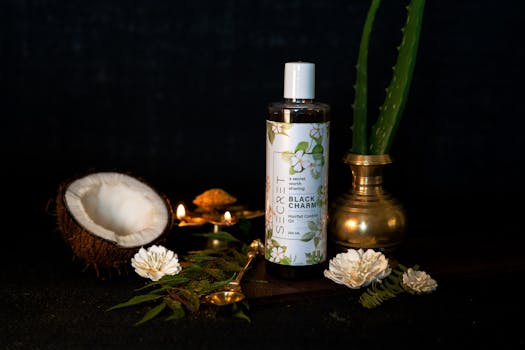
Coconut oil, a versatile and natural product, has garnered widespread acclaim for its numerous benefits. Extracted from mature coconut flesh, it’s an ingredient that can improve various aspects of health and beauty. In this article, we’ll explore the different uses of coconut oil, focusing on its impact on hair and skin care, weight loss, and even cooking practices.
Understanding the full spectrum of coconut oil’s applications can help you make informed decisions about incorporating it into your daily routine. Whether you’re looking to enhance your beauty regimen or boost your health, coconut oil might just be the all-in-one solution you’ve been searching for.

Table of Contents
The benefits of coconut oil for hair and skin
Coconut oil has long been cherished for its nourishing properties when it comes to hair and skin care. Its high content of fatty acids, particularly lauric acid, imbues it with the ability to deeply moisturize and strengthen. For those with dry, brittle hair, coconut oil can act as a natural conditioner, promoting softer, shinier locks.
When it comes to skin, coconut oil’s hydrating properties are equally beneficial. It can be used as a body moisturizer, face cream, or makeup remover, leaving skin feeling smooth and refreshed. Its antioxidant elements also contribute to reducing the appearance of wrinkles and fine lines, making it an anti-aging ally.
Use coconut oil as a gentle exfoliator by mixing it with sugar for a homemade scrub that can help slough off dead skin cells and rejuvenate the skin’s surface. This is not only a natural way to maintain skin health but also a cost-effective beauty solution.

What is coconut oil used for?
Coconut oil’s versatility extends beyond beauty, as it’s also used in cooking and health supplementation. Its medium-chain triglycerides are known for their ability to be easily digested and converted into energy. Cooking with coconut oil can add a tropical flavor to dishes while providing a heat-stable fat that’s perfect for frying or baking.
In terms of health supplementation, consuming a small amount of coconut oil daily can support metabolism and immune function. However, as with any supplement, moderation is key, and it’s advisable to start with lower doses to assess tolerance.
Coconut oil can also be used as a carrier oil for essential oils, aiding in their absorption when used for aromatherapy or massage. This natural ingredient is a staple for many who prefer eco-conscious beauty practices and holistic health approaches.

How does coconut oil benefit hair?
One of the primary ways coconut oil benefits hair is by penetrating the hair shaft to reduce protein loss, which can lead to healthier, more resilient strands. This is especially true for those with damaged or chemically treated hair.
Regular application of coconut oil can prevent dandruff by moisturizing the scalp and combating dryness. It may also deter lice and other parasites due to its natural composition, functioning as a preventative treatment for a healthy scalp.
For individuals with curly or wavy hair, coconut oil can help define curls and tame frizz, making it a preferred product for natural hair care enthusiasts.

What are the uses of coconut oil for skin?
Coconut oil’s uses for skin are manifold. Its antimicrobial properties make it a suitable option for fighting acne-causing bacteria, while its soothing nature helps calm down inflammation and redness. It’s an effective moisturizer for those with skin conditions like eczema or psoriasis, offering relief from itchiness and dry patches.
As a natural makeup remover, coconut oil is gentle on the eyes and skin, easily dissolving even waterproof formulas without the need for harsh chemicals. It also doubles as a lip balm, providing long-lasting hydration for chapped lips.
Lastly, coconut oil can be used as a natural sunscreen, providing a low level of UV protection. While it shouldn’t replace conventional sunscreens, it can serve as an additional layer of defense against the sun’s harmful rays.

Can coconut oil help with weight loss?
The connection between coconut oil and weight loss is an area of growing interest. Due to its medium-chain triglycerides, coconut oil is thought to enhance thermogenesis, a process where the body burns calories to produce heat. This could potentially lead to a boost in metabolism and assist in weight management efforts.
Additionally, coconut oil’s satiating effect may help reduce hunger cravings, leading to a lower intake of calories throughout the day. However, it’s important to note that coconut oil is still a fat source and should be consumed in moderation as part of a balanced diet.
Some studies suggest that the specific fats in coconut oil can also play a role in reducing abdominal fat, which is known to be particularly harmful to health. Therefore, incorporating coconut oil into a weight loss plan might offer some unique benefits.

How to incorporate coconut oil into your morning routine?
Incorporating coconut oil into your morning routine can be as simple as adding a spoonful to your coffee or smoothie. This can provide an energy boost and ensure you start your day with a nutritious supplement.
For skin care, consider using coconut oil as a moisturizer immediately after showering to lock in hydration. For hair care, apply a small amount to the ends of your hair to protect against heat damage from styling tools.

Coconut oil can also be used for oil pulling, a traditional oral hygiene practice that involves swishing oil in the mouth for several minutes to reduce plaque and bacteria. Doing this regularly can promote oral health and freshen breath.