
Tea to reduce stomach inflammation is a topic of great interest to those suffering from digestive discomfort. Various herbal teas are renowned for their soothing properties and ability to alleviate symptoms such as bloating and gas. In this article, we’ll explore the beneficial effects of herbal teas on stomach inflammation and how to incorporate them into your health regimen.
Table of Contents
- How does herbal tea help with stomach inflammation?
- What are the best herbal infusions for digestion?
- Can chamomile tea relieve abdominal bloating?
- How to prepare ginger tea for stomach relief?
- What are the benefits of apple cider vinegar for digestion?
- When should you consult a doctor for stomach issues?
- What herbs are best for reducing stomach gas?
- Related questions about teas for stomach wellness
How does herbal tea help with stomach inflammation?
Herbal teas are natural allies in the battle against stomach inflammation. Their anti-inflammatory and antispasmodic properties help to relax the muscles of the digestive tract, reducing swelling and discomfort. Herbs like mint and chamomile have been used for centuries to soothe upset stomachs and improve digestion.
Ginger tea, in particular, is known for its ability to reduce nausea and aid in digestion. The active compounds in ginger, such as gingerol, work to reduce inflammation and promote gastric emptying, which can help alleviate feelings of fullness and discomfort.

Additionally, many herbal teas contain antioxidants that can reduce oxidative stress in the body, which is often linked to inflammation. Regular consumption of these teas can contribute to overall digestive health and well-being.
What are the best herbal infusions for digestion?
Herbal infusions are a gentle way to support digestive health. Here are some of the top choices for promoting better digestion:

- Peppermint Tea: Known for its ability to relax the gastrointestinal muscles and improve bile flow, which aids in digestion.
- Fennel Tea: Fennel’s natural carminative properties help alleviate gas and bloating.
- Licorice Root Tea: Licorice root is soothing to the stomach lining and supports the repair of stomach mucosa.
- Lemon Balm Tea: Lemon balm can calm the digestive system and is beneficial for those with nervous indigestion.
These teas can be enjoyed after meals or anytime discomfort arises to help maintain a comfortable and functional digestive system.
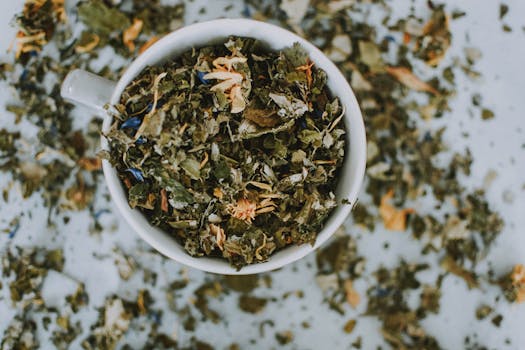
Can chamomile tea relieve abdominal bloating?
Chamomile tea is widely regarded as a gentle remedy for various digestive ailments, including abdominal bloating. Its anti-inflammatory properties help to reduce the swelling of the stomach and provide relief from gas and bloating. Chamomile’s calming effects can also alleviate stress, which is often a contributor to digestive issues.
The active components in chamomile, such as bisabolol and matricin, contribute to its effectiveness as an anti-inflammatory and antispasmodic agent. As a result, chamomile tea can be a soothing, natural option for those looking to ease bloating and support overall digestive health.

For best results, it is recommended to sip on chamomile tea slowly, allowing the warm liquid to work its way through the digestive system and provide relief.
How to prepare ginger tea for stomach relief?
Ginger tea is a potent remedy for an upset stomach and can be prepared using fresh or dried ginger. To make ginger tea at home, follow these steps:
1. Start by peeling and slicing a 1-inch piece of fresh ginger.
2. Boil the ginger slices in a cup of water for 10 to 15 minutes, allowing the active compounds to infuse into the liquid.

3. Strain the slices from the tea and add honey or lemon for flavor, if desired.
Enjoying a cup of ginger tea before or after meals can help alleviate symptoms of nausea, aid digestion, and reduce inflammation.
What are the benefits of apple cider vinegar for digestion?
Apple cider vinegar is another natural remedy that can support digestive health. It is believed to stimulate digestive juices and help breakdown food more efficiently. Taking a tablespoon of apple cider vinegar diluted in a glass of water before meals can aid in digestion and alleviate discomfort associated with indigestion and bloating.

Additionally, apple cider vinegar has antimicrobial properties that may help to balance the gut microbiome, contributing to a healthy digestive system. However, it’s important to note that apple cider vinegar is acidic and should always be diluted before consumption to avoid irritation of the throat and stomach lining.
When should you consult a doctor for stomach issues?
While herbal teas and natural remedies can provide relief for minor digestive discomfort, it’s important to know when to seek medical advice. Persistent or severe symptoms such as sharp abdominal pain, unexplained weight loss, or changes in bowel habits warrant a consultation with a healthcare professional.

Additionally, if you find that herbal remedies are not providing the relief you need, or if symptoms worsen after their use, it’s critical to discuss your concerns with a doctor. They can help determine the underlying cause of your discomfort and recommend appropriate treatment options.

What herbs are best for reducing stomach gas?
To combat stomach gas, consider incorporating these herbs into your diet:
- Anise: Anise seeds have carminative properties that help expel gas and relieve bloating.
- Coriander: Coriander can soothe the digestive tract and is effective in reducing gas.
- Caraway: Caraway seeds are another traditional remedy known for their digestive benefits, including gas reduction.
These herbs can be consumed as teas or used as seasonings in your cooking to help minimize gas production and enhance digestive comfort.

Related questions about teas for stomach wellness
What is the best tea for reducing stomach inflammation?
The best tea for reducing stomach inflammation is often a matter of personal preference and specific symptoms. However, ginger tea, with its strong anti-inflammatory properties, is widely considered one of the most effective options for soothing an inflamed stomach.
Peppermint tea is also highly recommended due to its ability to relax the digestive muscles and reduce painful spasms, making it another top choice for those seeking relief from stomach inflammation.
How to naturally soothe an inflamed stomach?
Naturally soothing an inflamed stomach can involve a variety of approaches. Drinking herbal teas like chamomile or peppermint is a simple and effective method. These teas offer calming properties that reduce inflammation and ease digestion.

Additionally, maintaining a diet rich in anti-inflammatory foods, such as leafy greens, omega-3-rich fish, and whole grains, can also help reduce overall inflammation in the body, including the stomach.
Which tea is most effective for inflammation?
Among the many herbal teas available, ginger tea stands out as one of the most effective for combating inflammation. Its potent anti-inflammatory compounds, including gingerols and shogaols, make it an ideal choice for reducing inflammation not only in the stomach but throughout the body.

What to take to reduce belly swelling and eliminate gas?
To reduce belly swelling and eliminate gas, consider starting with teas like fennel or anise, which have natural properties that aid in the expulsion of gas. Moreover, adopting a diet low in fermentable carbohydrates, known as FODMAPs, can also help minimize gas production and bloating.