
Jeans have truly become an integral part of global culture, transcending boundaries and symbolizing various facets of society throughout history. They began as a humble piece of workwear and have since evolved into a fashion staple with an incredibly rich and intriguing backstory, one that is often not fully known.
History of jeans: The journey from workwear to fashion icon
The history of jeans is a fascinating tale of transformation from utilitarian garment to fashion icon. Originally designed for miners in the rugged terrains of the American West, jeans were crafted for their durability and practicality. The use of rugged denim fabric and the introduction of copper rivets by Levi Strauss and tailor Jacob Davis in 1873 revolutionized their design, ensuring that jeans could withstand the demands of labor-intensive work.
Over time, the purpose of jeans shifted dramatically. From the dusty mines, they found their way onto the silver screens of Hollywood, becoming synonymous with the casual glamour of movie stars. Icons like James Dean and Marlon Brando donned jeans on screen, further cementing their reputation as a symbol of cool, rebellion, and youth culture.

Today, jeans come in a multitude of styles and fits, catering to a vast array of personal tastes and fashion sensibilities. Their evolution from a necessity for the working class to a runway-worthy attire marks a significant journey in the fashion world.
What is the origin of the term ‘Jeans’?
The term “jeans” finds its roots in the Genoese Navy, where sailors wore clothes made from a durable fabric. However, the true origin story begins in the city of Nîmes, France, where the fabric “denim” was first created. The name “jeans” itself is believed to be derived from “Genes,” the French word for Genoa, Italy, where sailors were known for wearing the robust twill fabric.

It is interesting to note how language and fashion intersect to give us the terms we so commonly use today without a second thought. The etymology of ‘jeans’ is a testament to the garment’s long and international history.
As jeans grew in popularity, the term became a household name, transcending its origins and becoming synonymous with the sturdy, blue denim trousers we know and love today.
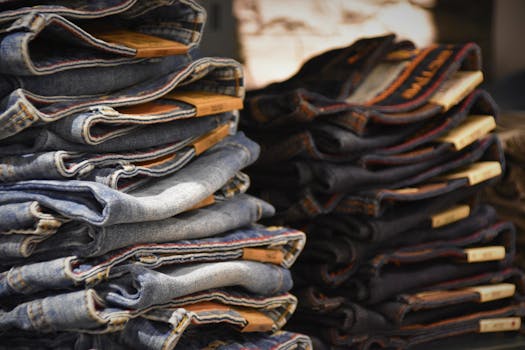
How have jeans evolved over time?
- The original design of jeans was meant to serve the needs of miners and manual laborers, hence their sturdy construction.
- As the decades passed, the fashion industry took note of the popularity of jeans, leading to an explosion of styles and fits, from flares and bell-bottoms in the ’60s and ’70s to the skinny jeans that soared in popularity in the early 2000s.
- Technological advancements have also played a role in the evolution of jeans, with new dyeing techniques, fabric treatments, and sustainable manufacturing processes shaping the way we view and wear our denim today.
- The diversity of designs now available ensures that jeans remain a universal garment, appealing to people of all ages and walks of life.
- Their continuous reinvention allows jeans to stay relevant, adapting to the ever-changing landscape of fashion trends.
Why did jeans become a symbol of rebellion?
Jeans have long been associated with rebellion and non-conformity. In the 1950s and 1960s, they became a symbol of youth culture, as the younger generation adopted jeans as part of their identity, often in defiance of the more conservative dress codes of the time.
Icons like James Dean and Marlon Brando, projecting a rebellious and carefree image in their films, further solidified jeans as the uniform of the defiant. Their roles portrayed characters that challenged societal norms, and their jeans became a nonverbal statement of that challenge.
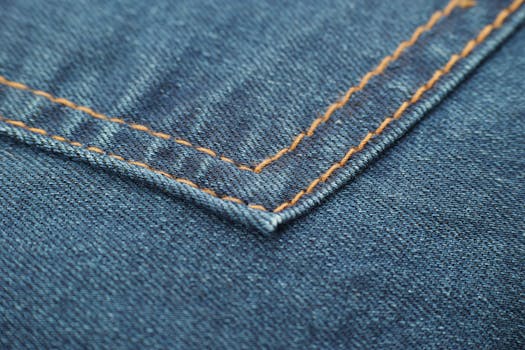
The association of jeans with rebellion has evolved over the decades, but the garment has retained its edgy connotations, often being the go-to attire for those who wish to make a statement with their fashion choices.
What role did Hollywood play in popularizing jeans?
Hollywood significantly impacted the popularization of jeans, turning them from workwear into a must-have fashion item. The big screen served as a runway for jeans, with actors and actresses showcasing denim as a stylish, versatile piece of clothing.

The appearance of jeans in popular culture gave them a glamorous appeal, making them desirable to a wide audience. Its integration into film wardrobe became a subtle endorsement of jeans as a fashionable choice for the everyday person.
Movies became a powerful medium for cultural exchange, and as American cinema gained global popularity, so too did the trend of wearing jeans. Hollywood’s influence cannot be understated in the rise of jeans as an international fashion phenomenon.

What are the different styles of jeans available today?
The modern market for jeans is incredibly diverse, offering styles to fit every body type and fashion preference. Among the array of options, you’ll find skinny jeans, which hug the legs for a streamlined look; bootcut and flared jeans that balance the silhouette; and boyfriend jeans that offer a relaxed, comfortable fit.
In addition to these, there are high-waisted jeans that accentuate the waist, low-rise options that sit below the waist, and straight-leg jeans that provide a classic, timeless look. Innovations such as stretch denim and eco-friendly materials have also entered the fray, catering to the growing demand for comfort and sustainability in fashion.

Each style of jeans carries its own history and cultural significance, from the rebellious spirit of ripped jeans to the polished elegance of dark-wash denim. The plethora of styles ensures that jeans remain a garment that can be personalized and reinvented time and time again.
How do jeans reflect cultural significance worldwide?
Jeans are not just a piece of clothing; they are a cultural icon that reflects the social dynamics of the times. From their role in the American Old West to their adoption by various subcultures around the world, jeans have come to symbolize freedom, individuality, and the democratization of fashion.

In different countries, jeans have been embraced by various demographic groups, each imparting their own stylistic touches and cultural significance. They are worn by artists and CEOs alike, demonstrating their universal appeal and versatility.
The global popularity of jeans has also led to cross-cultural exchanges in fashion, with designers from all over incorporating denim into their collections in unique and innovative ways. This garment’s ability to transcend class, age, and gender barriers makes it a powerful symbol of global fashion and cultural identity.

Table of Contents
Related questions about the enduring legacy of jeans
What is the story behind the evolution of jeans?
The evolution of jeans is a narrative that intertwines with the industrialization of America and the cultural shifts of the 20th century. Initially crafted as rugged attire for miners and laborers, their practicality and durability quickly made them a staple in the working-class wardrobe.
The post-war era saw a change in cultural dynamics, with the youth embracing jeans as a sign of rebellion against the status quo. This period marked the beginning of jeans as a fashion statement, a trend that would continue to evolve with each passing decade.

How has denim fashion changed over the years?
Denim fashion has undergone a remarkable transformation since its inception. In its early days, denim was valued for its toughness and was primarily worn by those who needed sturdy clothing for work. As it entered the mainstream, denim became a canvas for personal expression and style.
The 1970s and ’80s saw the rise of designer denim, with brands elevating the material to high-fashion status. Today, denim fashion encompasses a wide range of aesthetics, from distressed and embellished to raw and minimalistic, reflecting the eclectic tastes of the modern consumer.

Why have jeans become such a popular garment?
Jeans have become a universally beloved garment due to their unparalleled combination of comfort, durability, and style. They offer a versatility that allows them to be dressed up or down, fitting seamlessly into various settings and occasions.
The democratization of jeans, making them accessible to people from all walks of life, has also contributed to their popularity. They have become a symbol of shared cultural experiences and personal identity, resonating with a wide audience across the globe.

What is the world’s best-selling pair of jeans?
While specific sales figures fluctuate over time, Levi’s 501 jeans have consistently been cited as one of the world’s best-selling pairs of jeans. Their iconic design, historical significance, and the brand’s reputation for quality have helped the 501 maintain its popularity for over a century.
The classic fit and timeless appeal of the 501s have made them a go-to choice for denim enthusiasts and fashion-forward individuals alike, solidifying their status as a wardrobe essential in many parts of the world.